Urblink is in beta — municipalities can request free beta access to try the platform with their team.
Enter your work email — we will get back to you about beta access.
The citizen network for your municipality
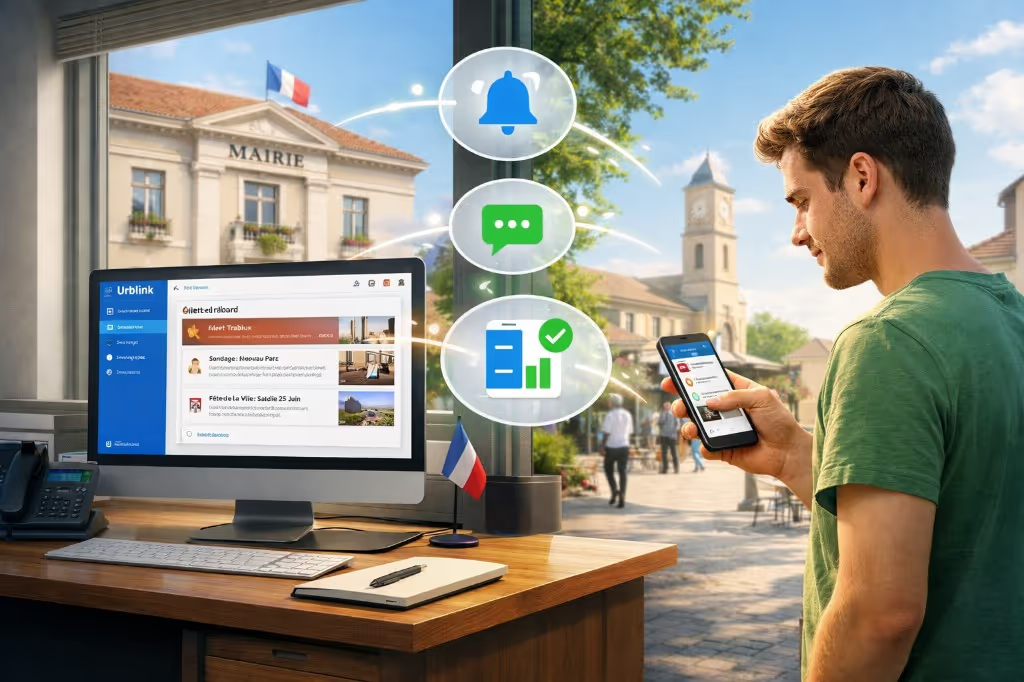
Publish across channels, schedule posts, and manage roles. Let residents report issues, track progress, receive alerts and notifications, browse events, take part in consultations—and give your teams a clear task workflow.
Public sector
Built for public service
Whether you are a small town or a large authority, the same building blocks adapt to your organisation: citizen-facing app plus tools for communications and operations.
Municipalities & local councils
Intermunicipal bodies (EPCI, syndicates…)
Metropolises & large cities
Become a beta partner
Urblink is in beta: we are not displaying customer logos yet. Below are the types of public organisations the platform is designed for — contact us to join the pilot programme.
Capabilities
Everything you need to inform, listen, and act
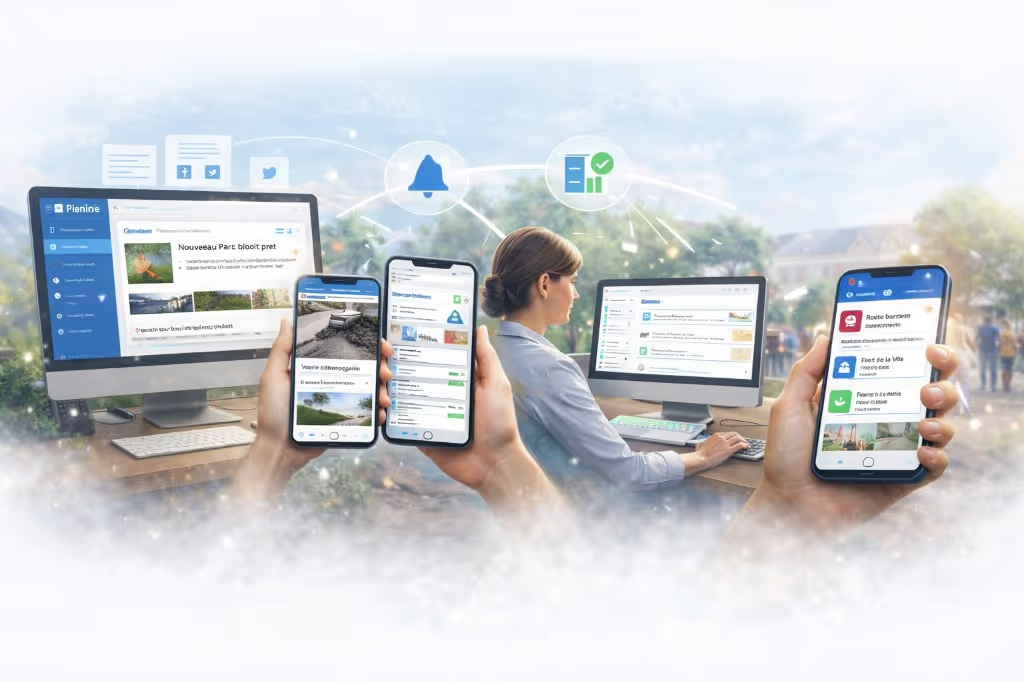
Urblink brings together social-style publishing for the city, a dedicated path for citizen reports with full traceability, proactive outreach, participation mechanisms, and day-to-day coordination for municipal staff.
Multi-channel publishing
Write once and publish across the channels you choose. Schedule posts in advance and stay in control with granular roles and permissions.
Citizen reporting
Residents report issues from the citizen app—roads, cleanliness, lighting, and more. Municipal teams are alerted sooner, with the context and location needed to act.
Transparent tracking
Each report has a clear timeline: citizens see progress, internal teams keep a record of actions and messages. Fewer back-and-forths, more clarity.
Alerts and notifications
Reach residents when it matters: works, closures, safety notices, or event reminders. Notifications sit alongside the same app used for reporting.
Events calendar
Publish your municipal agenda—public meetings, local festivals, office hours. Citizens browse and plan from the same application.
Consultations and internal tasks
Run consultation campaigns to gather views, then manage tasks assigned to teams: ownership, priorities, and follow-through until closure.
Product tour
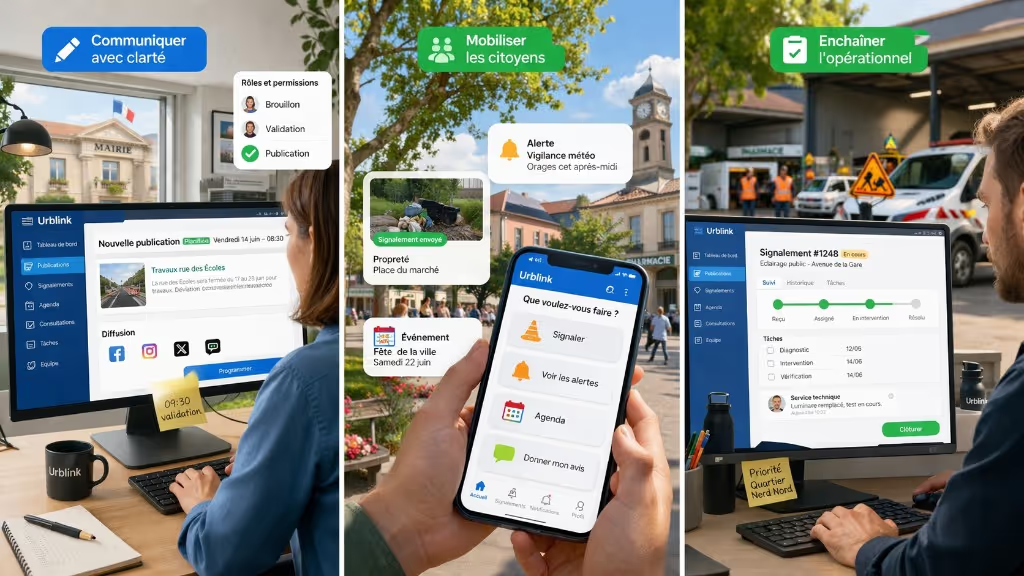
Three pillars that structure Urblink for your teams and residents.
Designed for responsiveness and trust
Reduce friction between residents and services: faster handovers, visible progress, and a single narrative for what the city is doing on the ground.
1 app
for citizens: reports, alerts, agenda, consultations
Multi-post
one composition, several destinations, optional scheduling
Roles
separate responsibilities for drafting, validation, publishing
Tasks
assignments and follow-up for municipal teams
At a glance
Why teams adopt a unified citizen platform
Fewer silos between communications, participation, and field services. Residents get a clearer signal; staff get a clearer backlog.
One suite
Editorial, participation, notifications, and internal coordination share the same foundation—without merging unrelated products.
Reports
structured intake with location and history
Alerts
push important messages to the citizen app
Agenda
municipal events visible in one calendar
Consultations
time-boxed campaigns with clear participation rules
FAQ
Frequently
asked questions
Citizens use a single mobile app to report issues in the public space, follow how their report is handled, receive municipal alerts and notifications, browse the events calendar, and take part in consultation campaigns when the city launches one.
You compose your message once, choose the networks or channels where it should appear, and publish immediately or schedule it for later. Access rights can be limited by role so only authorized staff can validate or send certain types of content.
Yes. Tasks can be created, assigned to a service or a person, prioritized, and tracked through to completion, alongside citizen-facing workflows such as reports and consultations.
Reports arrive with useful context (category, description, location when applicable). Your organization defines how they are routed and escalated so field teams can intervene as early as possible.
It is designed for structured participation: questionnaires, opinion collection, and campaign periods with clear start and end dates. Results can support decision-making while keeping a transparent process for residents.
Use the contact page to describe your municipality or organization and your priorities (communications, reporting, consultations, internal task management). We will get back to you with the next steps.
Ready to bring your city closer to residents?
Tell us about your priorities—communications, reporting, consultations, or internal task management—and we will walk you through how Urblink maps to them.
Next step
Let’s talk
Request a demo, ask about the beta, or describe a pilot project — we reply quickly and can point you to the right next steps.